
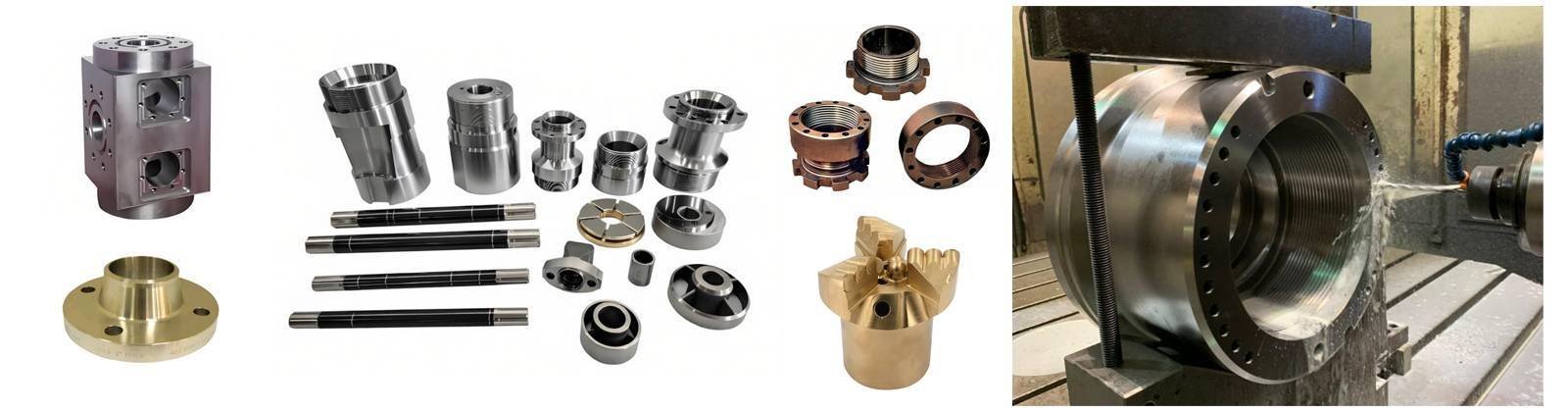
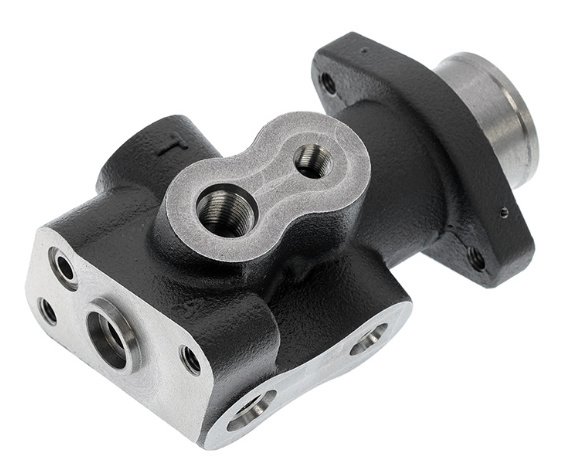
In the oil and gas industry, valve bodies are exposed to some of the most demanding operating conditions, including high pressure, corrosive media, and extreme temperatures. As a result, the machining and finishing processes used in manufacturing valve bodies are not just production steps—they are critical determinants of safety, durability, and compliance.
This article provides a detailed look at how valve bodies are machined and finished, along with practical insights for engineers and procurement professionals evaluating suppliers.
Material Selection as the Foundation of Valve Body Machining
Before machining begins, the choice of material defines both the manufacturing approach and final performance.
Valve bodies in oil and gas applications are typically made from:
- Carbon steel (e.g., ASTM A216 WCB)
- Stainless steel (e.g., 316/CF8M)
- Duplex and super duplex stainless steels
- Nickel-based alloys (e.g., Inconel)
Each material presents unique machining challenges. For example, duplex stainless steels offer excellent corrosion resistance but require precise control of cutting parameters due to their high strength and work-hardening behavior. Nickel alloys, while ideal for sour service environments, significantly increase tool wear and machining time.
From a sourcing perspective, material capability is often the first indicator of a supplier’s technical level.
Core Machining Processes of Valve Bodies
Valve body machining involves transforming raw castings or forgings into precision components that meet strict dimensional and pressure requirements.
Rough Machining
Rough machining removes excess material from cast or forged blanks. This stage typically includes:
- CNC turning for outer profiles
- Milling for flange faces and connection surfaces
- Drilling for initial bore creation
The primary objective is to establish the basic geometry while maintaining sufficient allowance for finishing operations.
Precision Machining
After roughing, precision machining defines critical dimensions and tolerances. This includes:
- Bore machining for flow passages
- Thread cutting (NPT, API, or custom threads)
- Sealing surface preparation
At this stage, tolerances become significantly tighter, especially for sealing interfaces where even minor deviations can lead to leakage under high pressure.
Advanced manufacturers often use multi-axis CNC machines to ensure consistency and reduce repositioning errors.
Deep Hole Drilling and Internal Channel Machining
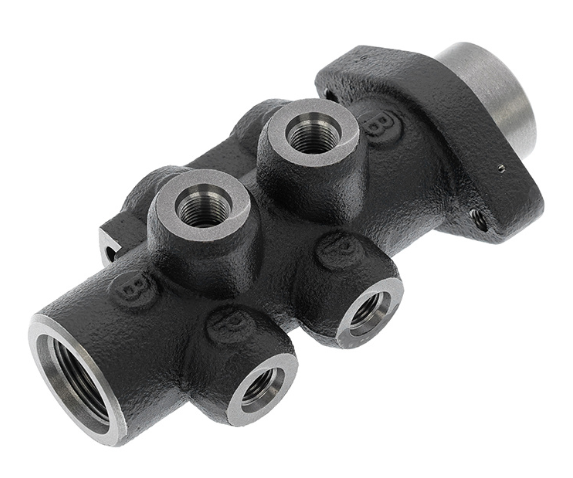
Many valve bodies require complex internal flow paths. These are achieved through:
- Deep hole drilling
- Cross drilling
- Gun drilling for long, straight bores
Accuracy in these processes directly affects flow efficiency and pressure drop. Poorly aligned channels can create turbulence or weaken structural integrity.
Heat Treatment and Stress Relief
After machining, valve bodies often undergo heat treatment to improve mechanical properties and relieve internal stresses introduced during casting and machining.
Typical processes include:
- Normalizing
- Quenching and tempering
- Solution annealing (for stainless steels)
Stress relief is particularly important in oil and gas applications, as residual stress can lead to cracking under cyclic pressure conditions.
Surface Finishing Processes of Valve Body
Surface finishing plays a critical role in ensuring corrosion resistance, sealing performance, and long-term reliability.
Mechanical Finishing
Mechanical processes such as grinding, polishing, and lapping are used to refine sealing surfaces. These processes ensure:
- Proper surface roughness (Ra values)
- Improved sealing integrity
- Reduced wear during operation
Coating and Surface Protection
In harsh environments, additional surface treatments are often required. Common options include:
- Electroless nickel plating (ENP) for corrosion resistance
- Thermal spray coatings (e.g., HVOF) for wear resistance
- Phosphate coating for basic protection during storage and transport
For subsea or sour service applications, coating quality is a key evaluation factor during procurement.
Quality Control and Inspection Standards
Valve bodies used in oil and gas must comply with strict international standards such as:
- API 6A / API 600
- ASME B16.34
- NACE MR0175 (for sour service)
Inspection processes typically include:
- Dimensional inspection (CMM)
- Non-destructive testing (NDT): UT, RT, MPI, PT
- Pressure testing (hydrostatic and pneumatic tests)
These steps ensure that each valve body meets both design specifications and safety requirements.
Common Manufacturing Issues of Valve Bodies
Manufacturers face several challenges when machining valve bodies for oil and gas applications:
- Maintaining tight tolerances on large, heavy components
- Machining difficult materials like duplex stainless steel
- Ensuring internal channel accuracy
- Balancing machining efficiency with tool life
Buyers should be aware that these challenges directly affect lead time, cost, and product reliability.
Supplier Selection: What Really Matters
When sourcing valve bodies, focusing only on price can lead to long-term risks. Instead, procurement teams should evaluate suppliers based on:
- Material expertise (especially for corrosion-resistant alloys)
- CNC machining capability (multi-axis, large-part handling)
- In-house heat treatment and finishing processes
- Inspection and certification capabilities
- Experience with oil & gas standards (API, NACE)
A qualified supplier does more than manufacture parts—they provide process control and engineering assurance.
Reducing Leakage from 15% to Under 2%
A midstream oil & gas operator experienced repeated leakage issues in high-pressure valves. Investigation revealed inconsistent surface finishing on sealing areas from their previous supplier.
After switching to a manufacturer with:
- Controlled lapping processes
- Verified surface roughness standards
- Full NDT and pressure testing
The failure rate dropped significantly, and maintenance intervals were extended.
👉 Key takeaway: Finishing quality is not cosmetic—it directly impacts operational safety and cost.
Conclusion
Valve body machining and finishing processes are central to the performance and reliability of oil and gas systems. From material selection to final inspection, every step must be tightly controlled to meet industry standards and withstand extreme conditions.
For engineers and buyers alike, understanding these processes enables better decision-making—not just in product selection, but in choosing the right manufacturing partner.
Next Step for Buyers
If you are sourcing valve bodies for oil and gas applications, start by defining:
- Operating conditions (pressure, temperature, media)
- Required standards (API, NACE, ASME)
- Expected service life
Then engage suppliers who can demonstrate end-to-end manufacturing capability, from machining to finishing and inspection.
This approach will help ensure long-term reliability, compliance, and cost efficiency.
