
Hydraulic motor-driven pump systems can improve oil and gas pumping efficiency by 25–35% by optimizing torque delivery, reducing throttling losses, and enabling real-time load-based control.
Oil & Gas Pump Efficiency Issues
In oilfield pumping systems, especially in regions such as North America (Permian Basin) and the Middle East, operators face:
- High energy consumption in crude transfer and injection pumps
- Inefficiency under variable load conditions
- Frequent maintenance due to mechanical stress and contamination
- Performance instability in high-temperature or harsh environments
Traditional electric motor-driven systems often operate far from optimal efficiency when demand fluctuates, leading to significant energy losses and increased OPEX.
Case Study Overview: 30% Pump Efficiency Improvement
A midstream oil & gas operator implemented a hydraulic motor optimization program to address inefficiencies in its crude oil transfer pumps.
Initial Conditions
- Pump efficiency: ~65%
- High throttling losses due to flow control valves
- Frequent downtime (every 6–8 weeks)
- High energy consumption under partial load
Root Cause Analysis
Engineering diagnostics identified three key issues:
- Improper motor sizing
Hydraulic motors were not matched to actual load profiles - Low volumetric efficiency
Internal leakage reduced effective output power - Energy loss from throttling
Flow regulation relied on inefficient valve restriction
Solution: Hydraulic Drive System Optimization
1. High-Efficiency Hydraulic Motor Upgrade
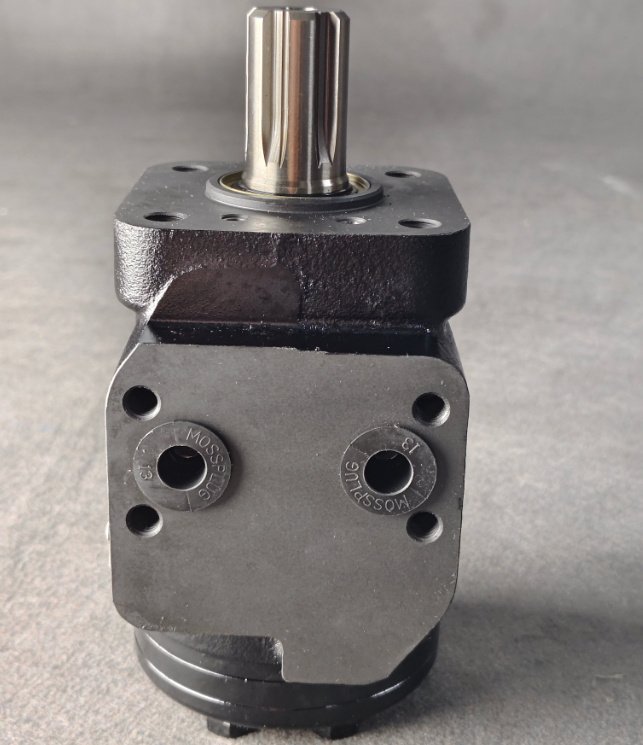
- Replaced legacy units with radial piston hydraulic motors
- Optimized displacement for high torque low speed (HTLS) performance
- Increased pressure capacity (up to 350 bar)
2. Load-Sensing Hydraulic System
Implemented a load-sensing hydraulic drive system to:
- Match flow and pressure to real-time demand
- Eliminate unnecessary energy circulation
- Reduce throttling losses
3. Fluid Power System Optimization
- Installed high-efficiency filtration system (β≥200)
- Introduced oil condition monitoring
- Reduced contamination-related wear
4. Smart Control Integration
- Closed-loop control for flow and speed
- Real-time efficiency optimization
- Stabilized pump output under variable loads
Results: Quantified Performance Gains
| Metric | Before | After | Improvement |
|---|---|---|---|
| Pump Efficiency | 65% | 85% | +30% |
| Energy Consumption | 100% baseline | 72% | -28% |
| Maintenance Interval | 6–8 weeks | 16–20 weeks | +150% |
| System Downtime | High | Low | Significant reduction |
Failure Scenario
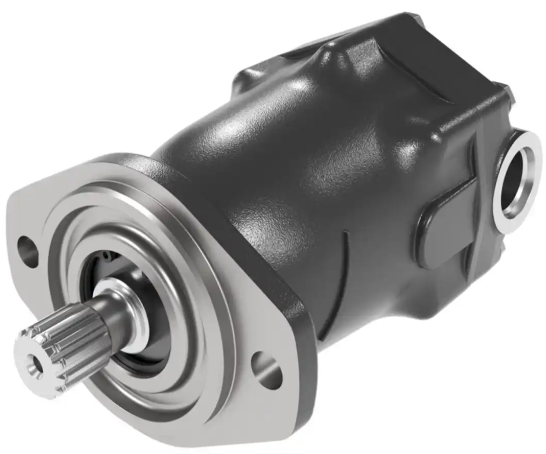
A crude transfer pump experienced thermal shutdown due to hydraulic motor overheating:
- Cause: internal leakage + high load mismatch
- Impact: 18 hours downtime + production loss
After system optimization:
- Operating temperature reduced by ~20%
- No recurrence of thermal failure
- Improved system reliability in continuous operation
Why Hydraulic Motor Improves Efficiency
Hydraulic motor systems outperform traditional drives in variable load environments due to:
- Precise torque-speed matching
- Reduced energy loss from throttling
- Higher efficiency in low-speed, high-load conditions
This makes them ideal for:
- Oilfield pumping systems
- Injection pumps
- Offshore and remote operations
Business Value: ROI and Decision Drivers
Key Financial Benefits
- Payback period: < 12 months
- Energy savings: 20–30% annually
- Maintenance cost reduction: ~40%
- Extended equipment lifecycle: +2–3 years
When to Consider Hydraulic Motor Upgrades
This solution is highly effective when:
- Pump systems operate under variable load conditions
- Existing systems rely on throttling control
- Energy costs are a major operational concern
- Reliability issues impact production continuity
Geographic Applicability
Hydraulic motor-driven pump systems are widely adopted in:
- North America oilfields (e.g., Permian Basin shale operations)
- Middle East upstream facilities (high temperature, continuous duty)
- Asia-Pacific offshore platforms (space-constrained environments)
These regions benefit from hydraulic systems due to robustness, adaptability, and efficiency under extreme conditions.
Implementation Framework
- Conduct hydraulic system energy audit
- Analyze load profile and inefficiencies
- Select properly sized hydraulic motor
- Upgrade filtration and fluid management
- Integrate load-sensing control system
- Monitor and continuously optimize performance
Conclusion: A Proven Path to 30% Efficiency Gains
This hydraulic motor case study demonstrates that system-level optimization—not just component replacement—delivers measurable efficiency improvements in oil & gas pump systems.
By combining:
- Proper motor selection
- Intelligent hydraulic control
- Fluid system optimization
operators can achieve 30%+ efficiency gains, reduce downtime, and significantly lower operating costs.
