
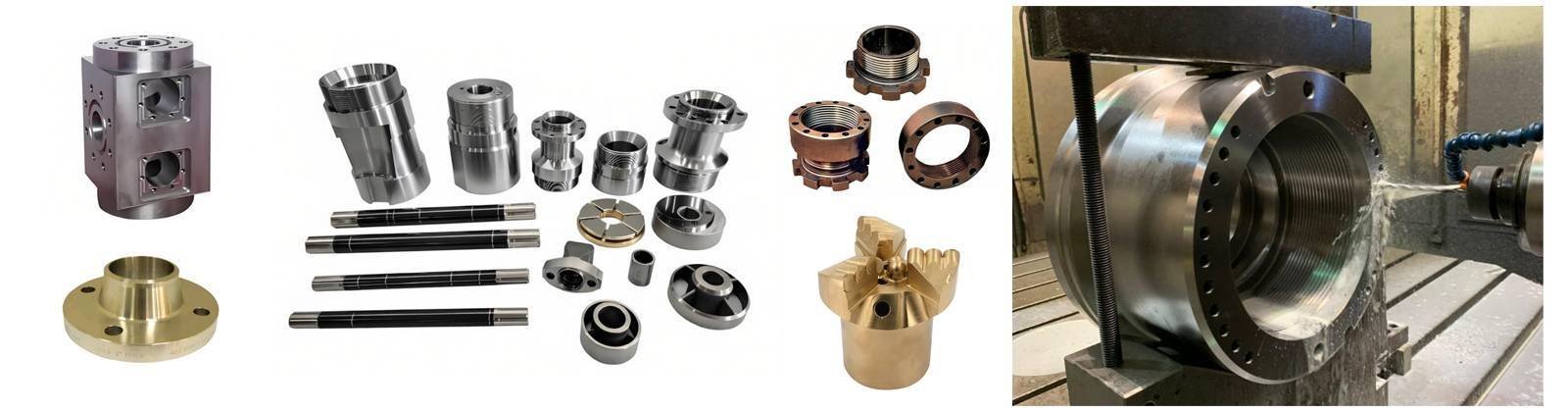
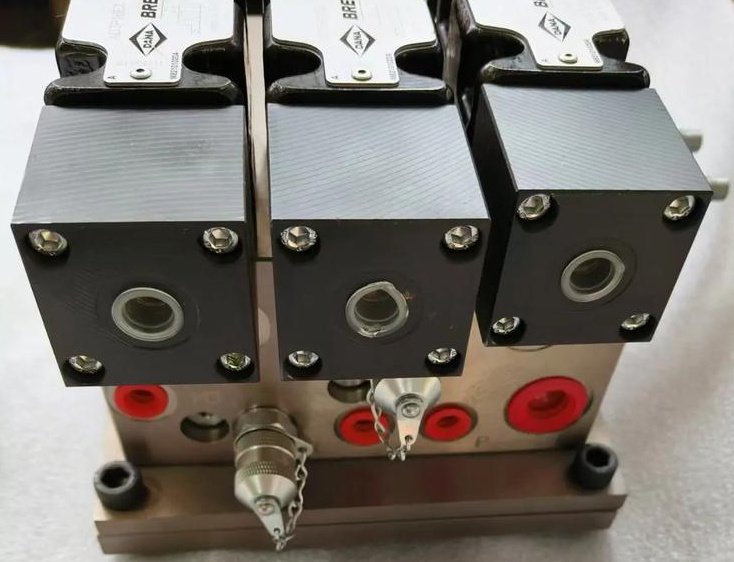
As system pressure increases (typically above 250–350 bar), the limitations of conventional piping become more apparent. Multiple fittings and connections introduce higher risks of leakage, vibration-related failures, and pressure drops.
A hydraulic manifold block addresses these issues by consolidating the system into a single engineered structure. This not only improves mechanical integrity but also enhances flow efficiency by optimizing internal channels.
From a commercial standpoint, this shift is critical. While traditional setups may appear cheaper initially, they often result in higher long-term costs due to maintenance, downtime, and assembly complexity.
Real Case: Hydraulic Manifold Block in a 350 Bar System
Problem
A heavy equipment manufacturer was operating a hydraulic system at pressures exceeding 350 bar. The original design relied on multiple valve bodies connected through external piping.
This created several operational challenges. Leakage frequently occurred at connection points, especially under vibration. Pressure delivery was inconsistent, affecting actuator performance. In addition, the assembly process was time-consuming, increasing production costs and limiting scalability.
Solution
The engineering team redesigned the system using a custom hydraulic manifold block. The new design integrated directional control, pressure regulation, and flow control functions into a single block.
Internal flow paths were optimized using simulation tools to reduce turbulence and pressure loss. High-strength alloy steel was selected to ensure structural integrity under continuous high-pressure operation. Precision machining ensured tight tolerances for sealing surfaces and internal channels.
Result
After implementation, the system showed clear improvements:
- Leakage points were significantly reduced due to fewer external connections
- Pressure output became more stable, improving actuator performance
- Assembly time decreased, enabling faster production
- Maintenance frequency dropped, reducing downtime
Why This Matters
This case demonstrates that in high-pressure hydraulic systems, a hydraulic manifold block is not just a structural component—it is a performance and reliability upgrade.
For OEM manufacturers and industrial users, this translates directly into:
- Lower lifecycle cost
- Higher system reliability
- Better scalability for production
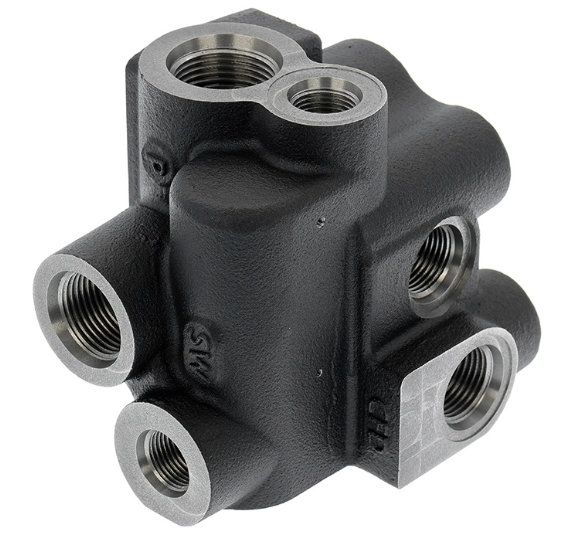
Key Design Considerations for High-Pressure Hydraulic Manifold Blocks
Designing a hydraulic manifold block for high-pressure applications requires careful attention to multiple engineering factors.
Material selection is critical. High-strength steels or corrosion-resistant alloys are often required to handle pressure loads and harsh environments. Internal flow paths must be engineered to minimize pressure drop and avoid sharp directional changes that can cause turbulence.
Sealing performance is another key factor. Precision machining of sealing surfaces and proper groove design are essential to prevent leakage under high pressure.
Finally, machining capability plays a major role. Complex internal channels require advanced CNC machining and deep hole drilling to ensure accuracy and alignment.
Hydraulic Manifold Block vs Traditional Piping: Cost Perspective
From a procurement perspective, the decision often comes down to cost—but not just initial cost.
Traditional piping systems may have lower upfront expenses, but they involve more components, longer assembly time, and higher maintenance risk. Over time, these factors increase total cost of ownership.
A custom hydraulic manifold block requires higher initial investment due to design and machining. However, it reduces installation complexity, minimizes failure points, and improves long-term reliability.
For most high-pressure industrial applications, the manifold approach delivers better ROI over the system lifecycle.
When to Use a Hydraulic Manifold Block in High-Pressure Systems
A hydraulic manifold block becomes the preferred solution when system complexity and performance requirements exceed what traditional piping can handle. It is especially suitable in scenarios where high pressure, limited space, and reliability requirements intersect. Systems with multiple valves or actuators also benefit significantly from manifold integration. For simpler or low-pressure systems, standalone valve configurations may still be sufficient. However, as systems scale, manifold solutions quickly become more cost-effective. A manifold block becomes the preferred solution when:
- System pressure is high (typically above 250–300 bar)
- Multiple valves must be integrated into a compact space
- Leakage risk must be minimized
- Long-term reliability is a priority
In such scenarios, the benefits of integration outweigh the higher initial investment.
Conclusion
This case demonstrates how a well-designed hydraulic manifold block can transform a high-pressure hydraulic system. By reducing complexity, improving flow efficiency, and enhancing reliability, it delivers both technical and commercial advantages.
For modern industrial applications, especially in heavy machinery and high-load environments, manifold-based designs are increasingly becoming the standard.
Next Step: Evaluate Your System
If you are currently designing or upgrading a hydraulic system, start by assessing your pressure requirements, system complexity, and reliability goals.
From there, consider whether a custom hydraulic manifold block solution can deliver better performance and return on investment.
Working with the right engineering-focused supplier will ensure that your system is not only functional—but optimized for long-term success.
